

Who Can Officiate a Wedding in California? Rules, Licenses, and Ceremony Tips
Choosing the person who will stand beside you and your partner as you exchange vows is a meaningful decision, but it also comes with important legal considerations. Someone who can be a wedding officiant in California should be able to create a ceremony that feels true to you while also meeting California’s legal requirements.
California recognizes several types of wedding officiants, giving couples the flexibility to choose a religious leader, civil official, or even a properly authorized friend or relative. Understanding these options early can make planning easier, prevent last-minute questions, and help you choose someone who fits both your vision and legal needs perfectly.
This guide explains who can officiate a wedding in California, what marriage license and witness rules apply, and how thoughtful planning can make your ceremony both personal and legally recognized.
Table of Contents
Who Can Legally Officiate a Wedding in California?
California allows several categories of people to legally perform wedding ceremonies, including:
Authorized religious leaders
Online-ordained ministers
Judges and certain court officials
County clerks and commissioners of civil marriages
Certain elected and public officials
Qualified out-of-state officiants
Friends or relatives properly ordained or deputized for the day
Before the wedding, couples should verify that their chosen officiant qualifies under California law. A personal relationship or ceremonial title alone does not provide legal authority.
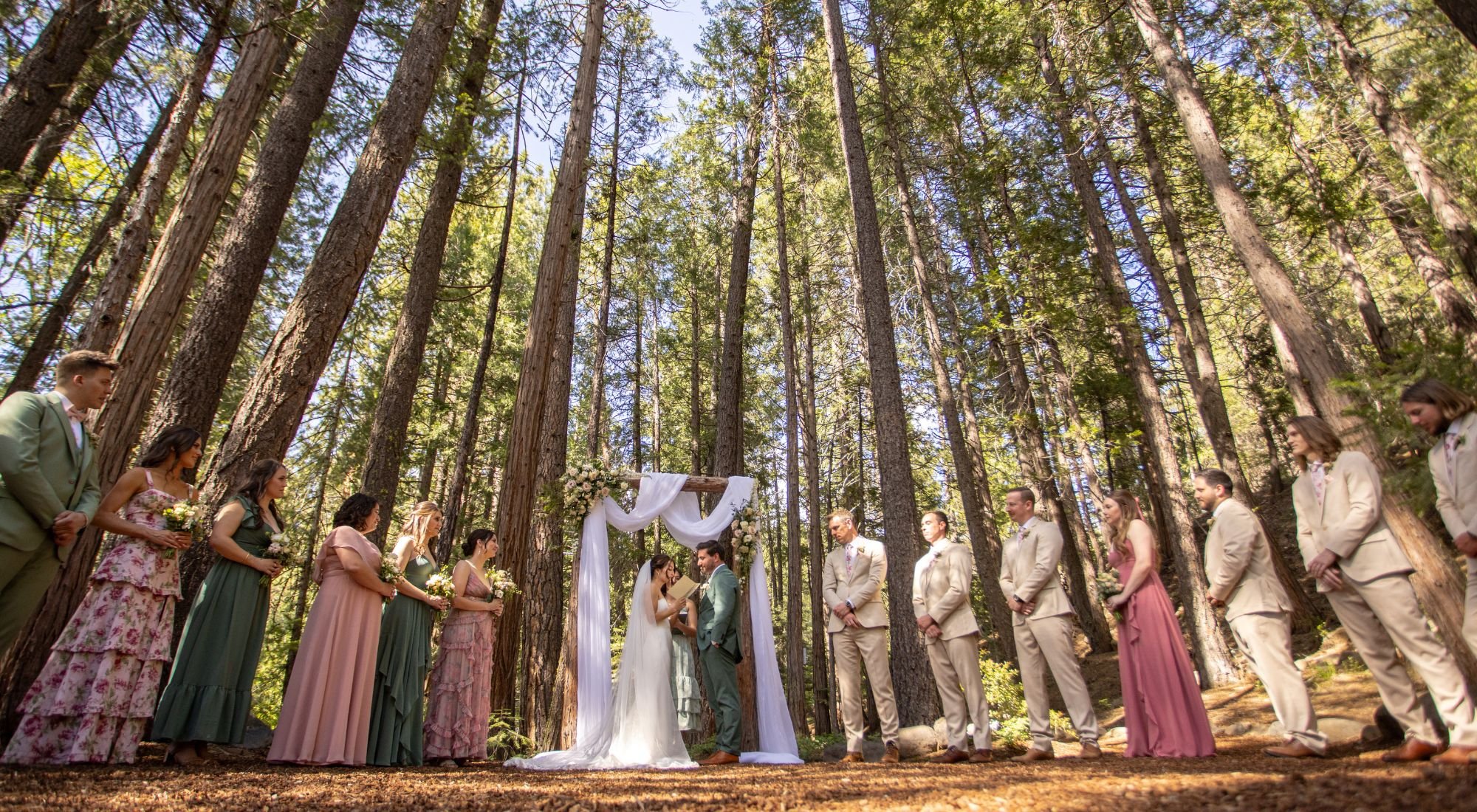
Why Choosing the Right Officiant Matters
Your officiant does more than guide you through your vows. This person helps give the ceremony both its emotional significance and legal validity.
The right officiant can:
Confirm that the marriage license is valid before the ceremony.
Solemnize the marriage according to California law.
Complete and sign the required paperwork correctly.
Explain what witnesses need to do.
Establish a tone that reflects your personalities and values.
Coordinate ceremony timing, readings, vows, and transitions.
Choosing someone who understands both the legal responsibilities and your wedding vision can help prevent paperwork problems while creating a ceremony that feels genuinely personal.
3 Main California Wedding Requirements
For a California marriage to be legally recognized, couples generally need to satisfy three basic requirements:
#1: Marriage License Requirements
Couples must obtain a valid marriage license before the ceremony. When applying, both parties need to:
Appear together before the county clerk.
Present valid government-issued photo identification.
Provide the required personal information.
Pay the applicable county fee.
The officiant should review the license before performing the ceremony to confirm that it is valid and has not expired. Because application procedures can vary, couples should check the requirements of the county issuing their license.
#2: Witness Requirements
The applicable witness rules depend on the type of marriage license:
Public marriage license: Requires at least one witness, although up to two witnesses may sign the license.
Confidential marriage license: Does not require witnesses, and witnesses do not sign the license.
Couples should decide who will serve as their witness before the ceremony and confirm the current rules with the issuing county.
#3: Officiant Authorization Requirements
California law requires the ceremony to be performed by someone legally authorized to solemnize a marriage. California Family Code Sections 400–402 provide important guidance concerning authorized officiants and the solemnization process.
Before the wedding, couples should:
Confirm the officiant’s legal authority.
Ask whether any county-specific authorization is necessary.
Ensure the officiant understands the license and filing process.
Consult official state and county resources when requirements are unclear.
Checking these details in advance helps protect the legal validity of the marriage and prevents avoidable paperwork issues.

7 Types of People Who Can Officiate a Wedding in California
#1: Religious Leaders and Authorized Members of a Denomination
California permits authorized religious figures to solemnize marriages, including:
Priests
Ministers
Rabbis
Authorized leaders or members of other religious denominations
The law is not limited to any particular faith or traditional clergy title. The individual must have authorization from their religious organization to perform the ceremony.
#2: Online-Ordained Ministers
Online ordination can provide a path for a friend or relative to officiate a California wedding. However, completing an online form does not remove the need to verify that the ordination provides valid authority under California law.
Before relying on this option, couples should:
Confirm the minister’s credentials with the ordaining organization.
Check whether the county requests supporting documentation.
Make sure the minister understands the ceremony and paperwork duties.
#3: Judges, Retired Judges, and Court Officials
California recognizes several active and retired judicial officers as civil wedding officiants. Depending on their position and legal eligibility, these may include judges, court commissioners, and certain other court officials.
This option may suit couples who prefer a secular ceremony or want an officiant with experience handling the legal aspects of marriage.
#4: County Clerks and Commissioners of Civil Marriages
County clerks and commissioners of civil marriages may perform civil wedding ceremonies in California. Some counties offer ceremonies at a clerk’s office or another designated location.
Procedures vary by county, so couples should verify:
Appointment availability
Ceremony locations
Officiant and ceremony fees
License and witness requirements
#5: Deputy Commissioner for a Day
Some counties allow a friend or relative to receive temporary authorization to officiate one specific wedding. The program may be called “Deputy Commissioner for a Day” or a similar county-specific name.
Requirements may include:
Submitting an application in advance
Paying a deputization fee
Completing an oath or brief training
Providing information about the couple and ceremony
Because not every county offers the same program, couples should contact the appropriate county clerk early in the planning process.
#6: Elected Officials and Certain Public Officials
California law authorizes certain elected and public officials to solemnize marriages while they hold qualifying positions. Depending on the circumstances, this may include particular state legislators, constitutional officers, members of Congress, mayors, and county supervisors.
Because eligibility depends on the person’s exact office and current status, couples should confirm their authority rather than relying on their public title alone.
#7: Out-of-State Officiants
An officiant does not necessarily need to live in California to perform a wedding there. An out-of-state religious leader, judge, or other officiant may solemnize the marriage if that person falls within a category recognized by California law.
Couples planning a destination wedding should confirm the officiant’s credentials early and ensure the officiant understands California’s licensing, witness, and filing requirements.
People Who Are Not Necessarily Authorized To Officiate a California Wedding
A close relationship with the couple or an impressive title does not automatically grant someone authority to perform a legal wedding ceremony. People who are not necessarily authorized include:
Friends or family members without ordination or temporary deputization
Professional celebrants who lack qualifying credentials
Ship captains who do not meet another authorized category
Notaries public authorized only through their notarial commission
Wedding planners or venue coordinators
Officiants whose credentials have expired or are not recognized
Couples should verify the person’s authority before the wedding rather than assuming they qualify. When necessary, the chosen person may pursue valid ordination or a county deputy-for-a-day program.
Tips for Making Sure Your California Wedding Is Legally Recognized
A little preparation can help couples avoid mistakes without making the legal process feel overwhelming. Before the wedding:
Obtain a valid marriage license and check its expiration date.
Confirm that the officiant is legally authorized.
Review the witness rules for the selected license type.
Make sure all names and personal details are accurate.
Ask who will return the completed license after the ceremony.
Confirm that the officiant and required witnesses sign in the correct places.
Request a certified copy after the license has been recorded.
County procedures may differ, so couples should verify local requirements before the ceremony. Keeping track of each step allows the legal details to support the celebration instead of distracting from it.
Planning an Officiant-Led Ceremony That Feels Personal
Once the legal requirements are settled, couples can work with their officiant to create a ceremony that reflects their relationship. Personal touches may include:
The story of how the couple met
Original or personalized vows
Cultural, religious, or family traditions
Meaningful readings, poems, or songs
Words from relatives or close friends
A remembrance of loved ones
A unity ritual or symbolic gesture
An all-inclusive wedding venue in California that matches your marriage style
The officiant can help organize these elements into a ceremony that feels natural and cohesive. Couples should also discuss their preferred tone, whether romantic, lighthearted, spiritual, traditional, or a thoughtful blend.
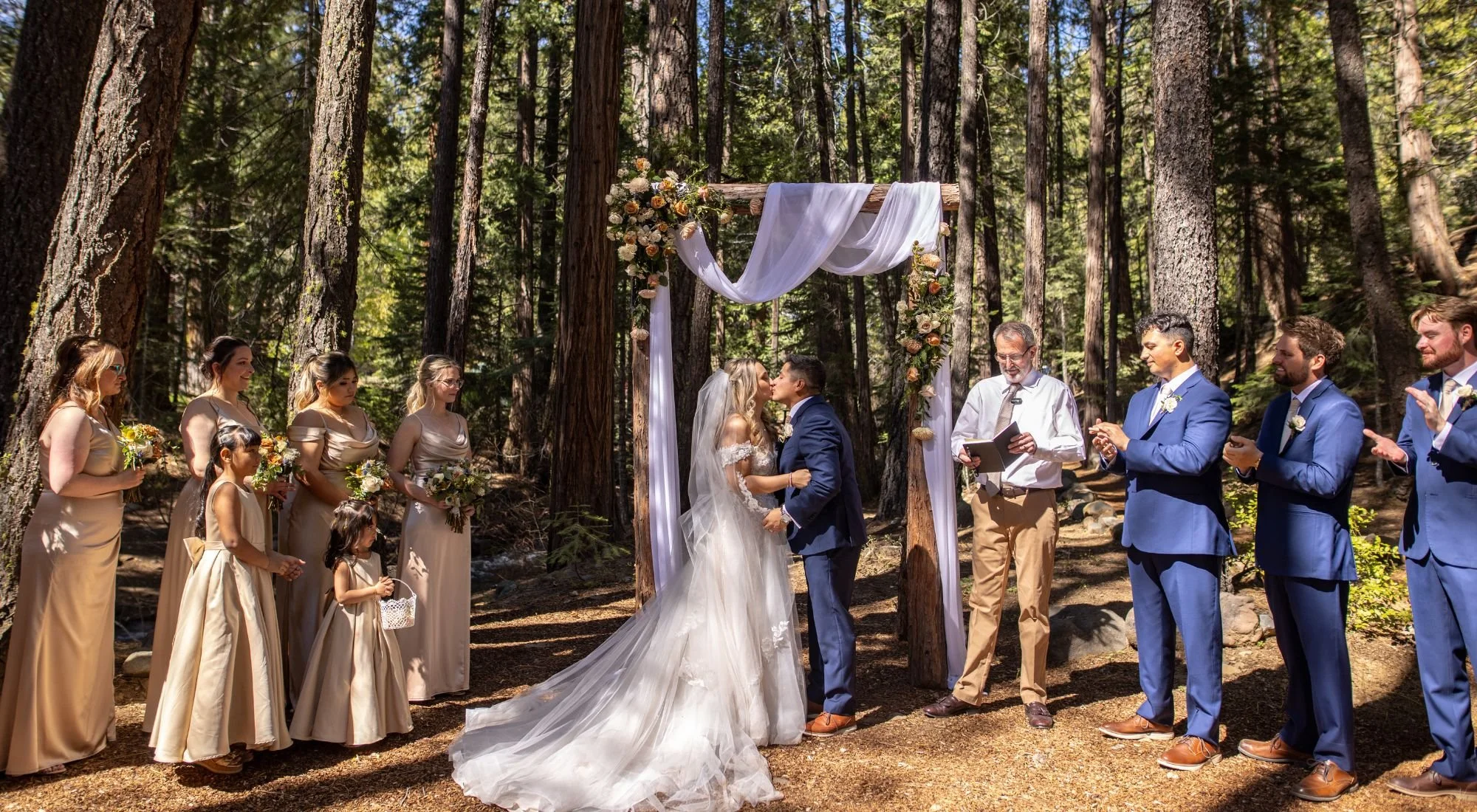
How Venue Coordination Can Support the Ceremony Flow
A well-planned ceremony depends on more than the officiant alone. Venue coordination can help every part of the ceremony happen on time while feeling polished and comfortable.
Strong coordination can support details such as:
Guest arrival and seating
Ceremony setup and layout
Processional timing
Audio checks for vows and readings
Communication between the officiant, photographer, DJ, and other vendors
Timing for family entrances and wedding party movement
Smooth transitions from the ceremony into the next part of the celebration
This is especially helpful for outdoor weddings, where timing, sound, on-site accommodations, and the natural setting all need to work together. When the officiant, venue team, and vendors are aligned, the ceremony can feel effortless for guests and deeply present for the wedding couple.
Make Your Ceremony Official and Unforgettable at Twenty Mile House
Once your officiant, marriage license, and witness requirements are confirmed, Twenty Mile House can help bring your ceremony vision to life. This historic eco-estate combines the beauty of the Sierra Nevada mountains with thoughtful coordination and a full-service wedding experience.
The team helps align ceremony timing, vendor communication, guest flow, and important transitions, allowing couples to stay focused on their vows and loved ones. Our scenic outdoor setting also provides a memorable backdrop for a celebration that feels personal, polished, and connected to nature. Trusted vendor relationships and attentive planning support help connect each part of the day, creating a smooth experience from the ceremony through the reception moments.
Explore Twenty Mile House’s wedding packages, request pricing, or schedule a tour to begin planning your unforgettable Northern California wedding.