

Mehndi, Mandap, Money: Planning an Indian Wedding in the US Without the Sticker Shock
If you’re planning a multi-day Indian wedding in the US, you already know the budget can grow faster than the guest list. A three-day celebration for 300–400 guests is a major investment, and the final cost depends on your region, your headcount, and how many vendors each ceremony requires.
A bigger budget isn’t the only way to a wedding your guests will remember. Once you know what drives the total, you can put your money where it counts most.
Below, we’ll cover why many diaspora couples are cutting guest lists from 500 to 150–300 while spending about the same, and why prestige now comes from the per-guest experience (food, hospitality, setting) rather than headcount. We’ll also show how full-service venues bundle vendors into a single price to keep costs steady across multiple days and ceremonies.
Table of Contents
How Much Does an Indian Wedding Cost in the US?
Many Indian weddings unfold over three days, with a separate event for each major ceremony. A celebration of that length with 300–400 guests typically falls between $100,000 and $175,000, and guest count moves that number more than any other factor.
By guest count, the range shifts like this:
Under 100 guests: often $30,000–$60,000
300–400 guests over three days: $80,00–$150,000
500 or more guests: $175,000–$300,000+
Per-guest budgeting makes comparison easier than a lump sum. Across all ceremonies, 400–800 per guest is a common planning figure. Twenty Mile House offers all-inclusive, full-package details and transparent pricing, so you can test the math against a real number.

Hidden Costs That Can Push the Final Bill Higher
A hotel or resort quote may list a reasonable venue fee and then add costs on top:
Service charges and tax: Often in the 20–28% range, plus sales tax
Vendor markups: The “wedding” premium some photographers and florists add to their quotes
Late add-ons: Permits, parking for a large guest list, and extra rentals for a second or third day
None of this is unusual; it's how the math works when every piece is booked separately. A package that covers catering, photography, florals, bakery, and a DJ for one price removes most of those moving parts.
How Per-Guest Spending Shapes Your Budget
The couple who once planned 500 guests often hosts 150–300 now for a similar total spend. A smaller list means more budget per person for food, hospitality, and setting.
It also makes bundled pricing easier to compare. Twenty Mile House is an all-inclusive wedding venue in California, with transparent pricing so you can judge the value per guest and the total before you sign anything.
Why Your Setting Shapes Your Budget
Wedding costs tend to run highest in major metro areas, where venues are in high demand, dates book quickly, and strict noise rules can limit how late the party goes. Reported figures vary widely by source, but city weddings for large guest lists can reach well into six figures before you add lodging and after-party expenses.
An all-inclusive estate shifts that math. Instead of booking a venue, hotel block, and late-night spot separately, couples can bring much of the weekend into one place, with room to spread out between ceremonies.
What Are the Traditions of a Traditional American Indian Wedding?
Indian weddings typically span two to five days, and every tradition you include shapes both your budget and your planning timeline. The Mehndi, Sangeet, Baraat, mandap ceremony with the Seven Vows, and reception each come with their own requirements.
Since Hindu, Sikh, Muslim, and interfaith traditions differ, and regional customs vary as well, your families’ choices about which events to hold will determine your costs.
Each additional event increases the cost of an Indian wedding in the US because it requires its own timing, décor, food, and vendor setup. Even when you use the same caterer, florist, or DJ throughout, they may need to break down and reset each day, and those turnovers add to labor and coordination.
Here’s how common events can affect your plans:
Mehndi: This intimate henna gathering usually means booking henna artists by the hour or per guest, so the number of guests getting designs drives the cost.
Sangeet: Music, dance, and performances often call for a stage, sound system, lighting, and sometimes a choreographer, making this one of the more production-heavy events.
Baraat: The groom’s procession, traditionally led by dhol drums, may involve a horse, car, or other vehicle, so confirm early whether your venue allows it and what route or permissions are required.
Mandap ceremony: The central ritual, including the Seven Vows, requires a mandap structure, floor plan, and setup time. If your ceremony includes a sacred fire, ask the venue about its fire policies.
Reception: As the event with the largest guest list, the reception typically carries the biggest catering, bar, and entertainment costs.
Because the mandap can require extra setup time and vendor coordination, ask early how the ceremony space can support your specific design. Venues prepared for multi-event weekends, like an Indian wedding venue in California, make those transitions easier when the team understands the schedule, setup needs, and vendor flow in advance.
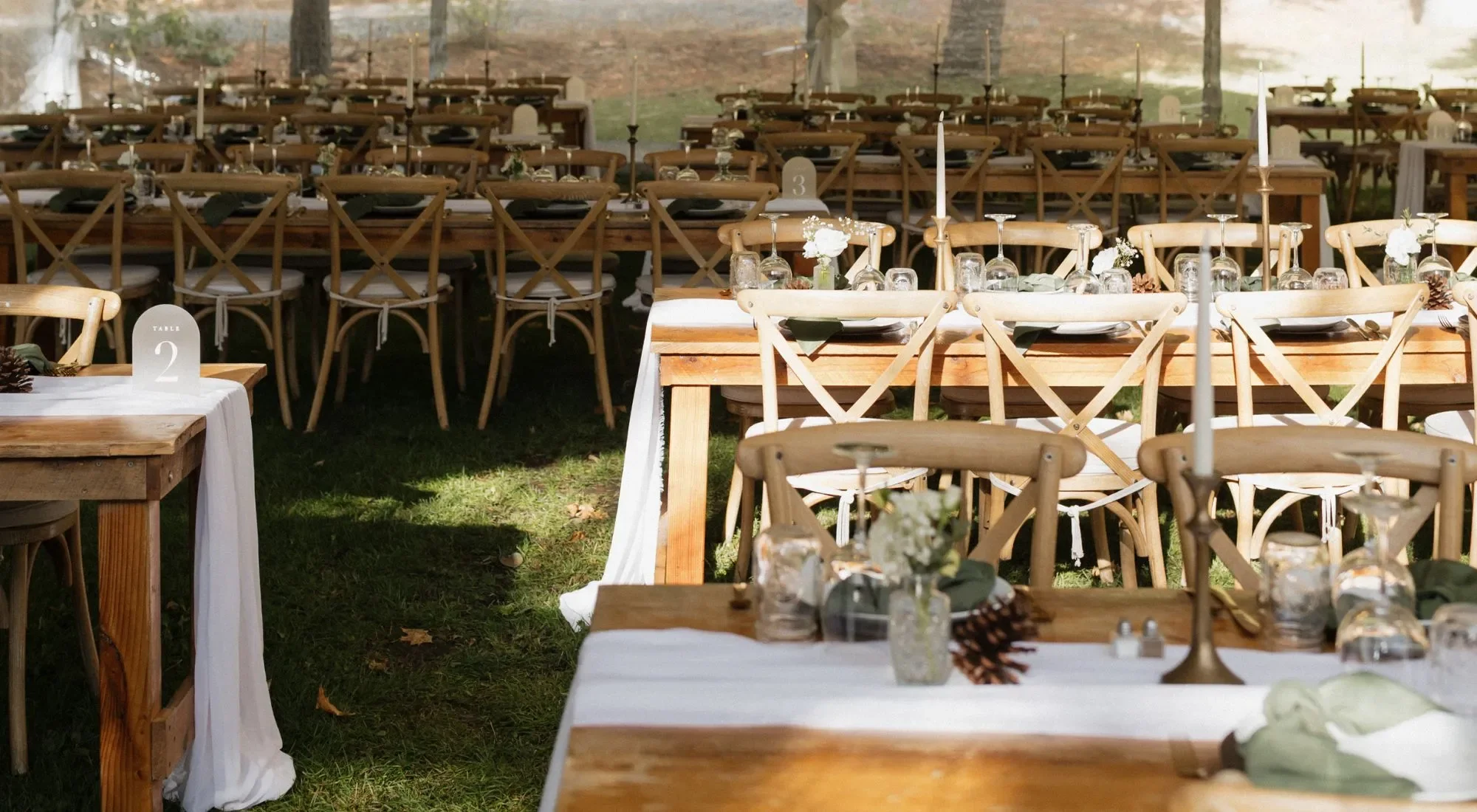
5 Ways an All-Inclusive Venue Makes Your Multi-Day Indian Wedding Magic, Not Mayhem
#1: One Price Replaces Vendor Markups
Line up five separate quotes next to one itemized package, and the difference becomes clear fast. Each standalone quote carries its own margin, travel fees, and setup charges, which is one reason the average cost of an Indian wedding in the US runs high when vendors are booked separately.
Those single line items add up quickly for a few hundred guests over three days. A DJ may charge per event, a florist may bill separately for each room flip, and a photographer may charge extra for additional hours of coverage. Multiply that across every vendor and every ceremony, and the total can easily exceed what couples expected when they started collecting quotes.
In an all-inclusive model like Twenty Mile House’s, catering, photography, florals, bakery, and DJ are included in one price.
#2: Vendors Who Work Together
What happens to a Sangeet timeline when the caterer, DJ, and florist have never met? Someone ends up relaying messages, details slip through the cracks, and mistakes cost money. The dinner runs late, the DJ starts the performances before the dessert station is ready, or the florist is still setting up when guests arrive.
Twenty Mile House’s curated partner vendors know each other and the property. They’ve worked the same spaces, followed the same load-in routes, and handed off between events many times before.
Vendor exceptions are possible when a couple has a specific reason, such as a family caterer known for a particular dish or a mehndi artist who has decorated every bride's hands in the family. Partner vendors are still encouraged, since their experience with the property is a big part of what keeps the weekend running smoothly.
#3: On-Site Lodging Options
Family members traveling from afar often need a place to stay for the whole wedding weekend. Hotel blocks take time and coordination to negotiate, and they can leave guests relying on shuttles or rideshares to get to each event.
On-site accommodations put lodging under the same partner as the rest of your celebration. That means one contract and one point of contact, plus a few perks that are hard to get anywhere else:
Comfort for elders: Grandparents and older relatives can rest between events and return without a long drive.
Safer late nights: Guests can enjoy the Sangeet or reception until the last song and walk back to their rooms.
More time together: Shared breakfasts and quiet moments between ceremonies give families from both sides a chance to actually connect.
Venues with nearby activities add another layer. Out-of-town relatives who’ve traveled a long way get something to enjoy between events, turning the weekend into a mini getaway rather than a string of ballroom visits.
#4: Built-in Coordination
A multi-day Indian wedding has a lot of moving parts. The Mehndi space needs to be flipped for the Sangeet, the mandap has to be built and ready before the baraat arrives, and the reception setup often starts while guests are still at the ceremony. Someone has to keep every vendor, timeline, and family member moving in the same direction.
Experienced Indian wedding planners often bring years of multi-day event experience, and many charge several thousand dollars for full planning support. A venue with a built-in coordination team folds much of that work into the package. Because the team already knows the property, its partner vendors, and how the spaces transition from one event to the next, couples can skip the learning curve that comes with an outside coordinator.
#5: Flexible Policies for Long, Lively Nights
A Sangeet or reception builds slowly. Dinner ends, the dance floor fills, and the best hour often arrives after the schedule says it should be over.
There are no noise ordinances at Twenty Mile House, so no quiet hours cut the evening short. Celebrations can extend naturally into the night, from the first dhol beat to the last song.
There's a cost angle too. A later celebration window can reduce the need for a separate after-party venue or extra coordination due to strict neighborhood noise limits. Guests in onsite lodging stay close to the celebration. Curfew is a useful filter when you compare the best Indian wedding venues in the US.
What Are Some Good Places to Have an Indian Wedding in the USA?
The best places to have an Indian wedding in the USA are venues that can comfortably host every ceremony, from the Mehndi to the reception.
Many couples start by looking at big-city venues near where their families live, but a growing number are choosing destination estates in the mountains or countryside for a more immersive setting.
A private estate like Twenty Mile House gives your family space to celebrate together throughout the weekend, without sharing the spotlight with a busy city.
What To Look For in the Best Indian Wedding Venues in the US
Ask each venue:
Is outside catering allowed? Many venues now hire their own chefs.
Can the ceremony space fit a mandap?
What are the curfew and noise rules?
Is lodging on site?
How flexible is the vendor list?
Is pricing itemized?
Which dates and seasons are available?
The answers will tell you how well a venue can handle a full wedding weekend. Twenty Mile House, for example, has no noise ordinances, on-site lodging for up to 54 guests, transparent package pricing, and vendor exceptions for couples with a special reason. Its weddings run April through October, with both weekend and mid-week dates available, which can help when coordinating travel for families coming from abroad.
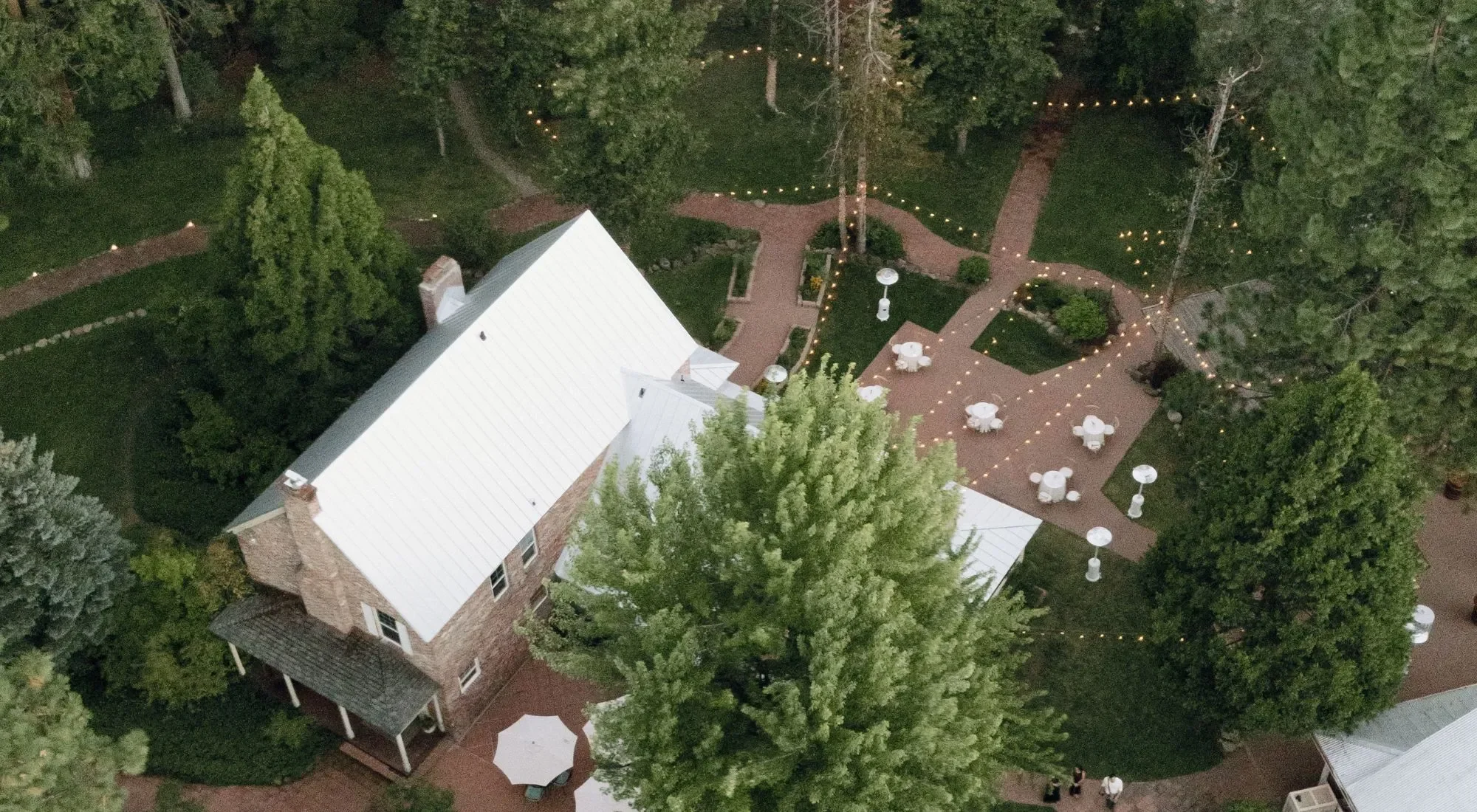
Timelines, Traditions, and a Budget That Ties Them Together
Start booking about 12 months in advance, especially if your family is working around auspicious dates, international travel, or multiple ceremonies. Twenty Mile House hosts weddings April through October, so confirm your preferred date early.
Visa timing deserves early attention for international families. A livestream can include relatives who can't travel and keeps the guest list manageable.
Cost levers, in order of impact:
Guest count has the largest effect on every per-head line.
The number of events multiplies décor, food, and staffing.
Venue and catering packages decide how many markups you pay.
Lodging terms, like a 2-night minimum, shape the weekend's total.
Settle the guest list first, since everything else scales from it. Then ask for the payment schedule in writing, so deposits and final balances land on dates your family can plan around.
Plan Your Dream Indian Wedding at Twenty Mile House
Bundled pricing, a curated vendor team, onsite lodging, and no noise ordinances keep the total predictable, all within a 200-acre eco-estate in the Lost Sierra.
If you're planning multiple ceremonies, ask how the packages can be adjusted to fit them. Our team can talk through your schedule and vendor preferences. You can also request pricing to see full package details.
Schedule a tour, and our team can walk you through the grounds and the package details.