

Indian Wedding vs. Western Wedding: What the Differences Say About Family and Celebrat
You've probably pictured your dream wedding more than once: the people you'd share it with, the traditions you'd honor, and the little details that would make the day yours. But what if you and your partner come from different cultural backgrounds? Or what if you're planning an Indian wedding in a Western country and want to incorporate elements of both traditions?
Your wedding doesn't have to be an either-or choice. From colorful pre-wedding festivities and meaningful religious rituals to personal vows and a lively reception, you can create a celebration that reflects your story.
Understanding the differences can help you decide which traditions to keep, which to adapt, and how to bring them together in a way that feels authentic to you and your families.
Table of Contents
Indian Wedding vs. Western Wedding: Key Differences at a Glance
Three key differences stand out when comparing an Indian wedding vs. a Western wedding: how long the celebration lasts, the role of family, and the traditions that shape the ceremony.
| Indian Wedding | Western Wedding | |
|---|---|---|
| Duration | Multiple events over several days, sometimes up to a week | Typically one day |
| Guest count | Often 200–1,000+ | Often 50–300 |
| Ceremony focus | Spiritual rituals and family unity | The couple’s story and personal vows |
| Planning role | Extended family often involved | Usually couple-led, with varying levels of parental involvement |
| Typical cost | $25,000–$100,000 | $15,000–$50,000 |
Duration and Timeline: A Week vs. a Day
A traditional Hindu wedding unfolds in stages, with each event bringing its own traditions:
Mehndi: An evening of henna application
Sangeet: A night of music and dancing shared by both families
Baraat: The groom's procession to the ceremony
During the wedding ceremony, the couple takes seven steps and makes seven vows together through the seven pheras, which form a central part of many Hindu weddings.
A Western wedding often fits into a single day, with a ceremony that may last around 15 minutes followed by a reception of four to seven hours. This format gives couples more flexibility to shape the celebration around their preferences.
Guest Count and the Role of Family
Indian weddings often welcome 200 to 1,000 guests or more, reflecting the importance of extended family and community in the celebration. Being part of an Indian wedding means sharing in an important milestone for the couple and their extended family.
Western weddings are often led by the couple, with parents offering input or financial support depending on the family's preferences. Guest lists also tend to be smaller, often ranging from 50 to 300 people, compared with the larger gatherings common at Indian weddings. Western couples may also create their own traditions, from personalized ceremonies to celebrations that reflect their relationships and values.
Ritual vs. Personal Story
Indian wedding ceremonies often carry traditions passed down through generations. Each of the seven pheras represents a promise, while family's presence makes those commitments part of a shared celebration.
Western ceremonies often emphasize the couple's personal story, from writing their own vows to inviting a friend to give a reading or incorporating details about how they met. Each approach reflects different priorities, from honoring family heritage to highlighting individual expression, and many couples want to honor both.
Whether you're planning a celebration rooted in one tradition or bringing two cultures together, the right setting can help bring your vision to life. With beautiful natural ceremony locations, on-site accommodations for up to 54 guests, and all-inclusive wedding packages, Twenty Mile House offers room to celebrate with family and friends over an entire wedding weekend. Schedule a Tour to explore our property and discover the possibilities for your celebration.

What Are the Different Types of Indian Weddings?
Indian weddings reflect a wide variety of regional, religious, and cultural traditions, each with its own customs and celebrations. North Indian (Punjabi) weddings are often known for lively processions, dhol performances, and large receptions, while South Indian weddings may feature distinct regional rituals and more intimate ceremonies. Sikh, Muslim, and Christian weddings in India also follow their own customs and are sometimes mistakenly grouped under the same traditions.
Some of the main variations include:
North Indian (Punjabi): Often feature lively processions, dhol performances, and large receptions that bring together extended family and friends.
South Indian (Tamil Nadu, Karnataka): Incorporate regional customs and religious rituals, with ceremonies that vary by community and family.
Kerala: Weddings have distinctive traditions involving attire, rituals, and the timing and structure of the celebration.
Sikh: The Anand Karaj is the Sikh marriage ceremony, during which the couple walks around the Guru Granth Sahib four times.
Muslim: The nikah is the marriage contract, agreed to by both parties in the presence of witnesses.
Christian: Church ceremonies often incorporate regional customs and family traditions.
These differences can also influence wedding budgets, depending on the number of guests, the events included, and the location.
It's worth remembering that Indian and Hindu weddings aren't interchangeable terms. India is home to many religious and regional wedding traditions, each with its own customs. Couples can also personalize their celebrations to reflect their relationships, families, and priorities.
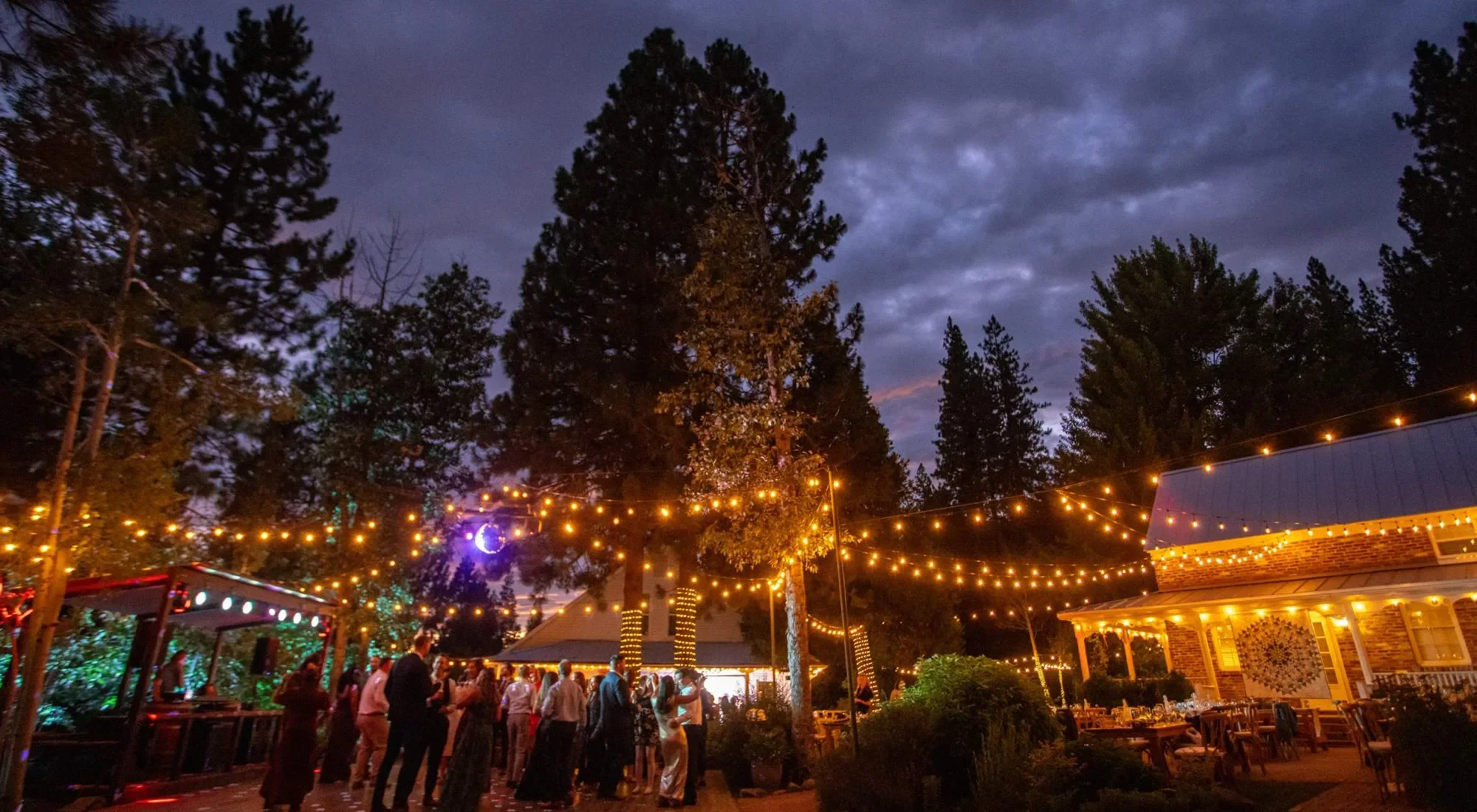
Why Indian Weddings Cost More: The Scale Behind the Celebration
A multi-day celebration for several hundred guests naturally costs more than a one-day wedding for 100 people. Much of the difference in an Indian wedding vs. a Western wedding comes down to the scale of the celebration, the number of events, and the services involved.
Where the Money Goes
Catering is often one of the largest wedding expenses. At roughly $50–$150 per person, food and beverages for a 500-guest wedding can cost $25,000–$75,000 alone.
Venue rental, transportation, logistics, and décor can significantly increase the budget, especially when several events span multiple days. In major US metropolitan areas, an Indian wedding for 300 guests can cost $225,000–$285,000, though expenses vary by location, vendors, and the scale of the celebration.
How Family Financing Shapes the Budget
How families approach wedding expenses can also shape the budget. Multiple generations may contribute to planning and costs, reflecting the wedding's importance as both a family milestone and a community celebration. In some families, wedding expenses represent a substantial financial commitment built up over years of saving.
Western couples more often lead wedding decisions, with parents contributing financially or helping with planning when appropriate. These approaches can influence how budgets are set, which expenses take priority, and how decisions are made.
What Western Couples Typically Prioritize
US wedding budgets often range from $15,000 to $50,000, shaped by the couple's priorities, guest count, and vendor choices. Couples may coordinate separate providers for each service, choosing options that suit their vision for:
Photography
Flowers
Catering
Music
Working with a coordinated team can simplify the process, reduce the number of contracts to manage, and help vendors stay aligned on timing and logistics. This is especially useful when a celebration includes multiple traditions, several events, and different family expectations.
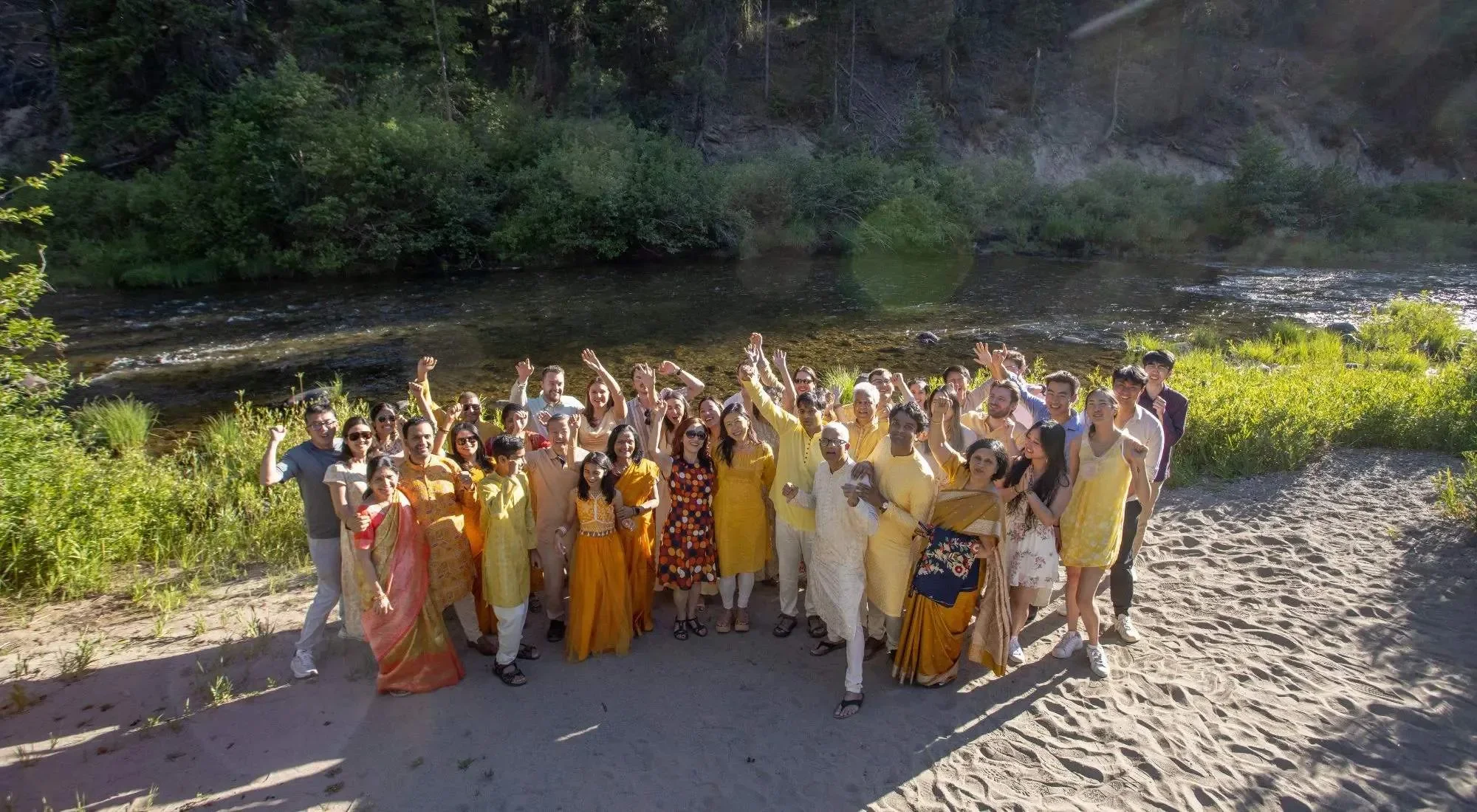
3 Ways Couples Blend Indian and Western Wedding Traditions
Choosing between a Western wedding and an Indian wedding can be an opportunity to celebrate both cultures. Fusion weddings allow couples to honor both cultures without committing to a full week of events or an overwhelming budget. Every couple can find a balance that honors the traditions most meaningful to them.
#1: Compress the Schedule Into a Wedding Weekend
Many couples keep the events that matter most, such as a Friday sangeet and Saturday ceremony, while skipping or combining others. A venue that offers multi-day weddings makes it easier to bring extended family together without the logistics of a full week.
#2: Choose a Destination Setting Over Ballroom Scale
Destination weddings let couples trade a traditional ballroom for a distinctive setting. An outdoor venue surrounded by mountains, rivers, or woodland can provide a beautiful backdrop for different parts of the celebration, from pre-wedding festivities to the ceremony and reception. When comparing options, look for a setting with enough space for your planned events and accommodations nearby or on-site for guests traveling from different places. Our Indian wedding venue in California can be a starting point for exploring what's possible.
#3: Decide Which Rituals Are Most Important to You
Some couples make the pheras the centerpiece of their ceremony, while others prioritize a mehendi evening or sangeet. You can also incorporate Western traditions, such as personalized vows or a first dance, without making the celebration feel overcrowded. With thoughtful planning, couples can blend both traditions into a celebration that feels personal and gives each moment the time it deserves.
How To Decide What To Keep, Scale, or Skip
When comparing an Indian wedding vs. a Western wedding for your own celebration, consider your families’ priorities, which events you can combine, and how to allocate your budget. Then talk through these key decisions:
What each set of parents hopes to see and which expectations they're willing to let go of
Which guests are essential and where you can keep the guest list flexible
Which rituals matter most, such as the pheras or a mehndi evening
Any specific vendor needs, such as a particular caterer or a priest
How much time you want for the celebration, from a single day to a full weekend
Honoring tradition doesn't mean recreating every event or following the same timeline and scale. You can adapt the celebration to fit your priorities while preserving the traditions that matter most to you and your families.
Twenty Mile House: Where a Variety of Wedding Traditions Can Come Together
Set on 200 acres in California's Lost Sierra, Twenty Mile House is an eco-estate surrounded by mountains and rivers. Local vendors, including a florist who grows flowers in a greenhouse that plants thousands of seeds each year, bring a thoughtful, locally rooted touch to each celebration. Our different settings also give couples options for creating a wedding that reflects their vision.
With full-service packages, on-site lodging, and a coordination team, couples can plan a multi-day celebration while their families focus on spending time together. Weddings take place from April through October, with schedules tailored to how many days you choose and which traditions you want to include.
Whether you're planning a celebration rooted in Indian traditions, Western customs, or a blend of both, understanding the differences can help you decide which elements matter most to you and your families. Book a tour at Twenty Mile House to walk the property with our team and explore how you could bring your wedding vision to life.