

You Had Me at Hors d’Oeuvres: How To Save on Catering for a Wedding
Wedding catering costs add up fast. Between per-person pricing, service fees, and add-ons, catering can wind up taking a significant part of your budget.
For many couples, figuring out catering can be intimidating, and it can feel like there is no wiggle room to cut back.
The good news? You don’t have to sacrifice quality or guest experience to keep catering costs under control.
This article will break down alternative options for traditional plated meals, give tips for cutting catering costs, and answer common questions about wedding catering pricing.
Table of Contents
What Is the Cheapest Catering Option for a Wedding?
Depending on the style of food you want at your wedding, buffets and interactive food stations tend to be one of the cheapest options for catering weddings.
Some budget-friendly options to obtain food for your wedding include:
Taco bars: These cost about half as much as traditional plated meals. Guests can customize their own plates with various proteins and toppings to meet dietary needs and allow every guest to get something they enjoy.
Pasta bars: Pasta is generally less expensive than other food options and can easily be served in large quantities. It is also typically universally liked and highly customizable with various sauces and toppings.
BBQ buffets: Barbecue is a comfort food that is a crowd-pleaser and can be elevated with high-quality sides or with classic sides that can easily be served buffet-style and feed large crowds without overspending.
Brunch for dinner: Brunch is cost-effective because the food is cheaper than traditional steak or fish options. Brunch cocktails are also cheaper than an evening bar.
Pizza: Pizza is easy to serve and almost universally loved. It can also be customized to meet dietary restrictions and food preferences, while reducing the time guests wait for food.
Gourmet grilled cheese: Gourmet grilled cheeses offer versatile and customizable flavor options that are easy to handle and can feed large crowds efficiently as a unique main course.
Food trucks: Food trucks are cost-effective because they require less staff and offer a variety of cuisine styles to choose from. The food is freshly prepared on-site and offers made-to-order plates.
Grazing tables: This option creates a relaxed vibe that doubles as decor with a variety of options that appeal to all food preferences. Guests can graze as they wish, and it cuts down on food waste.
Sandwich platters: They are convenient, versatile, and easily customizable. You can use artisanal breads and unique flavor combinations, and they are a cost-effective way to feed a large group of people with minimal setup and cleanup.
Food options where guests can serve themselves cut costs on serving staff and allow guests to get the amount of food they desire. Choosing an all-inclusive venue, like Twenty Mile House, can also keep costs down because in-house catering options are included.

How To Save on Catering at a Wedding: 10 Tips for Couples
#1: Cut Down Your Guest List
Many caterers charge per person, with the average being $100 per person. Cutting the guest list by 10 or 20 people could save you thousands of dollars overall.
When you have fewer guests, you need fewer tables. Therefore, the costs for centerpieces, linens, food, and beverages are reduced. Additionally, service fees and gratuities are based on the overall price, so with fewer guests, those prices will be lower as well.
If you are having difficulty reducing your list, you can try to limit plus ones to people who are married, engaged, or living together to prevent having to cut anyone off your list.
#2: Rethink Your Menu
Carefully curating the menu using seasonal ingredients and less expensive proteins can assist you in cutting costs for catering. Produce that is in season allows you to avoid shipping costs while providing fresh, colorful salads. Chicken, pork, and vegetarian options are less expensive than beef and seafood and can still be high-quality.
You can also utilize dishes like potatoes, rice, or pasta that are starch-based and can beef up your meals in an affordable way.
When choosing desserts and drinks, opt out of elaborate options. Replace an expensive wedding cake with a sheet cake, cookies, or other desserts. Instead of a full bar, offer a few signature cocktail options.
#3: Skip the Formal Sit-Down Dinner
Formal sit-down dinners often come with plated food, servers, and a higher price tag.
Dinner options that allow guests to serve themselves, such as buffets, grazing tables, family-style meals, food trucks, and food stations, will cut serving costs and reduce food waste.
Formal plated dinners tend to average $65-$150 a person, whereas buffets average $40-$90 a person, and cocktail-type receptions can range from $30-$70 a person.
#4: Limit Your Bar Options
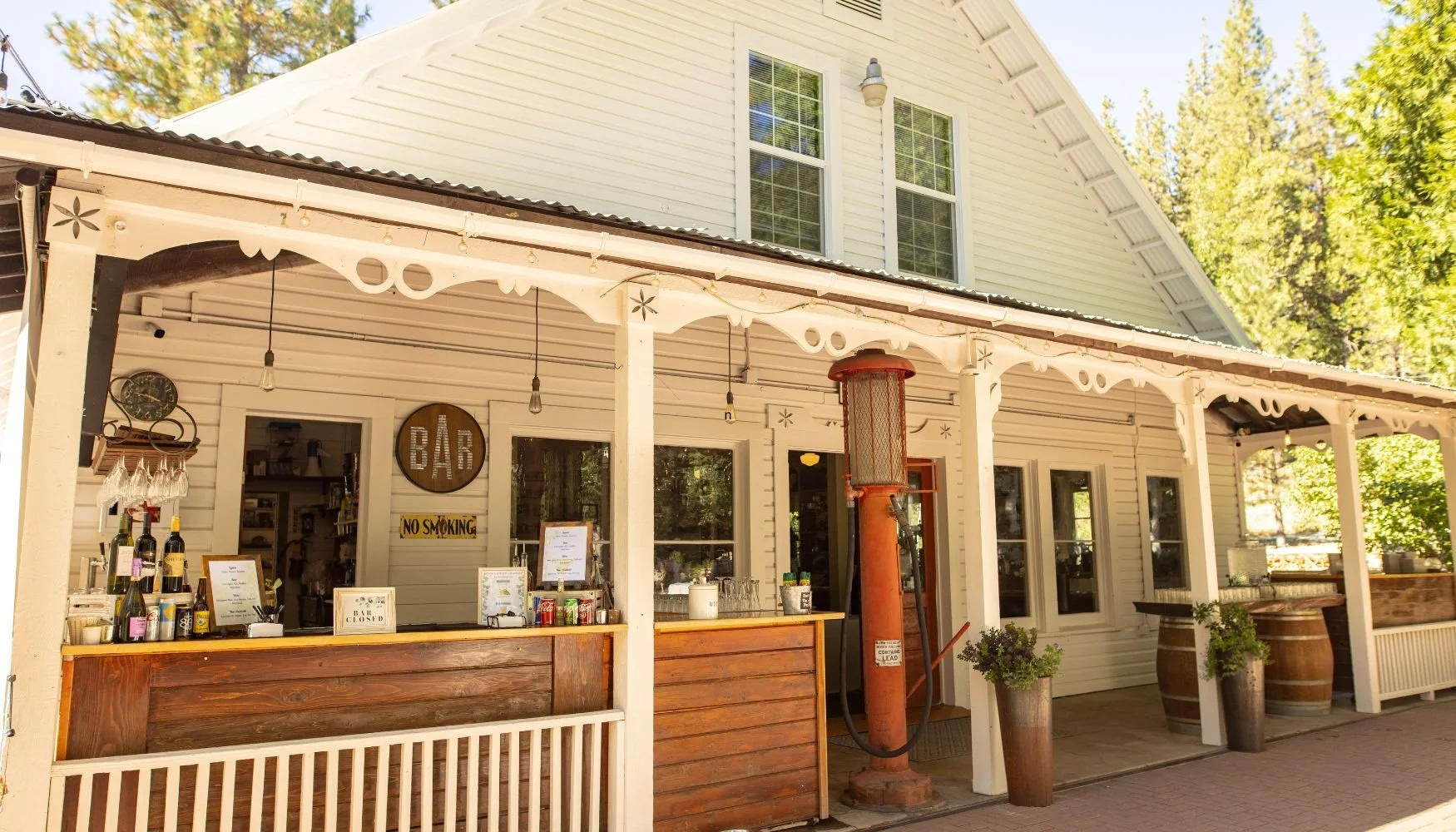
The best way to cut alcohol costs is to only serve beer and wine rather than a full bar. Beer and wine are cheaper liquors and can cut bar costs by 40-60%. If you wish to add more variety, you can offer one or two signature cocktails to limit the purchase of top-shelf liquor. Using house or mid-shelf spirits for the cocktails is another way to rein in the spending.
Closing the bar early, either during dinner or for the last hour of the reception, can also reduce alcohol consumption and reduce your overall costs. If you want to keep it open during the entire reception, you can place a time cap on the open bar and then switch to a cash bar to keep your costs lower.
#5: Do Fewer Courses
Simplifying your meal to two courses, the main course and dessert, is a great way to save on catering for a wedding. Traditional three or four-course meals drastically increase costs due to more ingredients, more labor hours for prepping and serving the meal, and higher rental fees for dishes and cutlery.
Having a hearty main course or combining courses, such as adding salad as part of the main dish, leaves your guests satisfied without you having to foot the bill for a mult-course banquet.
You could also have appetizers as part of your cocktail hour, or skip dessert and just offer wedding cake as the main treat. Skipping late-night snacks can also cut costs.
#6: Minimize Appetizers
Appetizers tend to be expensive. Limiting the appetizers to one or two, or eliminating them altogether, can allow you to save money or transfer that money to the expenses of the main meal.
Not only is the cost of waitstaff and food prep eliminated when restricting or skipping appetizers, but food waste is reduced If you offer too many appetizers, your guests will fill up on those and not be hungry for the main course.
If you do wish to offer appetizers, consider having them at stations, such as charcuterie boards or platters, and allow guests to serve themselves. These appetizers are generally cheaper, and you wouldn’t have to spend money on servers.
#7: Keep Your Wedding Cake Simple
Wedding cakes that are multi-tiered with loads of fondant or sugar decorations can drastically increase the cost of your cake. Not only is it more labor-intensive for the baker, but the ingredients cost more.
Although you may wish to have an extravagant cake for photos, keeping your cake simple is a way to save on catering for a wedding. Instead, you can order a smaller tiered display cake for your photo op, and then purchase budget-friendly sheet cakes to serve to your guests.
If your heart is set on serving cake, you can reduce costs by serving smaller portions. Guests are usually full from the main meal, and just a taste of cake will satisfy most. If you don’t wish to serve cake to guests, you could have alternative dessert options, such as donuts, cookies, or even a dessert bar, to reduce the costs of ingredients and labor.
#8: Be Open About Your Budget
Being transparent about your budget from the beginning with your caterer and wedding planner will help you stick to foods that are realistic. Instead of choosing from a pre-set menu, the caterer can provide cost-effective options or suggest alternatives that are more budget-friendly.
If caterers know your budget, they can recommend more affordable service styles, such as family-style or buffets, to cut down on serving costs. It also allows you to discuss fees, such as gratuities, service costs, and rental fees, upfront so that you are not surprised by hidden fees at the end.
#9: Consider the Rentals
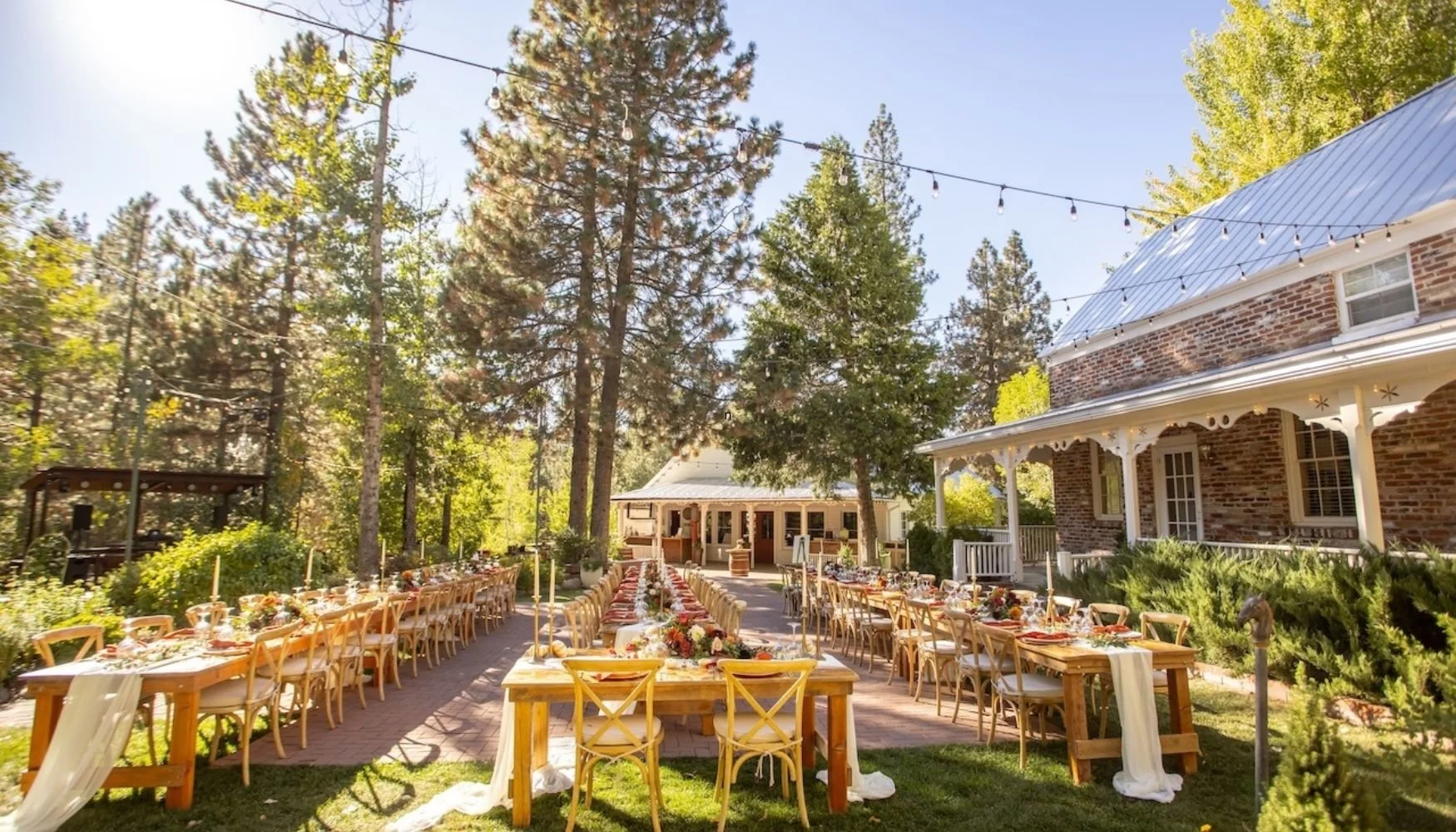
Typically, caterers charge rental fees for plates, flatware, napkins, etc. Wedding venues often have these items as part of your rental cost, so you can choose to use theirs instead of renting from the catering company.
Additionally, you can use high-quality disposables to reduce rental fees and costs for setup and cleanup. This option will also save you from paying replacement fees if a dish gets broken or lost.
If you do choose to rent plates and flatware, keep your color scheme simple. Using standard white dinnerware and simple glasses is generally cheaper than opting for colors or gold-rimmed.
#10: Choose an All-Inclusive Venue
All-inclusive venues are typically more budget-friendly because all the costs are put into one price. They can save you money on rental fees because the cutlery, glassware, plates, tables, etc., are already included in your package.
It saves you money on independent waitstaff because your package price already includes setup, service, and teardown. Additionally, the venue manages the logistics of catering, eliminating the need for a wedding planner.
Finally, all-inclusive venues often have vendors with whom they have good relationships and can order catering supplies and ingredients in bulk, meaning they can charge wedding couples less. The pricing is transparent, and there aren’t hidden fees, like cake-cutting fees or alcohol corkage fees.
Twenty Mile House can reduce your costs and your stress when you book a wedding package. In-house catering options are available, allowing you to turn your attention to other details rather than stressing about catering.
Cutting Back Catering Costs: FAQs Answered
What Is Typically Included in a Wedding Catering Package?
Typical wedding catering packages include:
Food: Includes appetizers, main course, and dessert
Beverages: May include a tea or coffee bar
Staffing: Includes servers and bartenders as well as a crew for setup and cleanup
Rentals: Includes plates, flatware, glassware, linen tablecloths, linen napkins
Additional fees: May include items like cake cutting, late night snacks, upgraded rentals, champagne toast

How Much of Your Budget Should Go To Catering?
Couples should anticipate around 30-40% of their overall wedding budget to go toward catering. Typically, you don’t want your venue and your catering to exceed much more than 50% of your budget.
Catering budgets usually include:
Staff for setup, service, and cleanup
Food
Rentals
Bar service
Can You Negotiate With Your Caterer?
Yes, it is possible to negotiate with your caterer as long as you approach them politely. You could ask to negotiate about:
Adjusting packages
Reducing portion sizes
Having fewer staff
Swapping menu items
While some services and items may be set, approaching the caterer with honesty and transparency about your budget in a friendly manner may help reduce your costs.
Twenty Mile House: Experience High-Quality Catering at Our All-Inclusive Wedding Venue
If you are looking for an all-inclusive wedding venue in California, Twenty Mile House has it all.
Our vendor services include:
Catering
Cake or a dessert bar
Floral design
Photography
Music
A full-service bar
Event staffing
Parking attendants
And more
Our catering options allow wedding couples to customize the menu with the highest quality local ingredients that are organic and sustainable. Our bar services include a professional bartender and your choice of cocktails. We also offer artfully designed dessert options and a tea and coffee bar.
If you are looking for the ideal wedding venue with flexibility in the middle of the gorgeous Sierra Nevada mountains, Twenty Mile House is for you. Reach out today to begin planning your perfect wedding.