

Eat, Drink, and Be Married: How Much Does Catering for a Wedding Cost?
If you’ve ever hosted a memorable dinner party or legendary event, you know food sets the tone long before any toasts or dancing.
Wedding catering is no different — it’s about curating an experience that feels intentional, generous, and distinctly you. Like s’mores at a beach bonfire, pasta in Italy, or fish tacos on the coast, the dishes you choose contribute to the atmosphere and cohesion of your event.
Here, we’ll break down what wedding catering truly includes, the details that impact the budget, and how to invest wisely, so every bite feels as considered as the setting itself.
Table of Contents
The Whole Meal Deal: What Wedding Catering Covers
What’s included in wedding catering depends on the venue and the catering team you work with. Some operate à la carte, while others offer full-service packages designed to handle the majority of your event’s food and beverage logistics. Understanding what’s typically included helps you compare proposals accurately and avoid surprises later in the planning process.
While specifics vary, most full-service wedding catering covers the following:
Food & menu development: This includes menu planning, ingredient sourcing, and execution on the day of the event. Whether the meal is plated, family-style, or station-based, pricing reflects not just the dishes themselves but the preparation, presentation, and timing required to serve a large group seamlessly.
Professional staffing: Catering teams typically provide chefs, prep staff, servers, bartenders, and on-site coordinators. Staffing levels are based on guest count and service style, playing a major role in both cost and guest experience. Attentive service ensures courses arrive on time, tables are cleared promptly, and guests are never left waiting.
Bar packages & beverage service: Many caterers offer curated bar packages that may include beer, wine, spirits, mixers, glassware, ice, and licensed bartenders. Some packages allow for customization, while others follow a fixed structure. Even when alcohol is sourced separately, service and staffing are often bundled into the catering agreement.
Rentals & service ware: Depending on the caterer, essentials such as plates, flatware, glassware, linens, and serving equipment may be included or coordinated on your behalf. Clarifying what’s provided versus what must be rented separately is key when reviewing proposals.
Cake cutting & dessert service: If you’re bringing in an outside cake or dessert, caterers often handle cutting, plating, and service. This is frequently listed as a separate line item, but is a standard part of full-service catering.
Tastings: Most caterers include a tasting as part of the booking process or offer it once a contract is signed. Tastings help couples refine menu selections, confirm portion sizes, and ensure the food aligns with the tone of the celebration.
Setup, breakdown, & coordination: Beyond cooking and serving, catering teams typically manage kitchen setup, food staging, service flow, and end-of-night cleanup related to food and beverage. This behind-the-scenes work keeps the event running smoothly.
Because each venue and catering partner structures services differently, reviewing proposals line by line — and asking what’s included versus optional — will give you the clearest picture of value, not just cost.

How Much Does Catering Cost for a Wedding?
We might as well get it out of the way — wedding catering is one of the largest expenses in your reception budget. Nationally, the average wedding catering cost tends to be $85 – $135 per guest, with higher-end menus in states like California often trending toward $150 – $200+ per person for full-service, customized experiences.
How much does a caterer cost for a wedding with full-service vs. drop-off catering?
Full-service catering: This is the most immersive option. It includes menu development, food preparation, professional staff, plated or family-style service, and often beverage service. In areas like San Francisco or the broader Bay Area, full-service packages can range from roughly $150 – $300+ per guest, depending on menu complexity and service style.
Drop-off or delivery-only catering: A pared-down alternative, food is prepared off-site and delivered ready to serve. Drop-off catering is more modest in price, often $20 – $35 per person, as it doesn’t include on-site staff, service, or equipment setup.
Keep in mind that per-person averages are just one way to frame your catering budget. Many couples and venues prefer setting a total budget figure and working backward from there, since factors like premium proteins, craft cocktails, or specialty stations can impact pricing significantly.
What Is a Good Budget for Wedding Catering?
A good wedding catering budget typically ranges from $100 – $300 per guest, depending on service style, guest count, menu choices, and location. At full-service venues like Twenty Mile House, catering often reflects a seamless, professionally managed dining experience rather than a single per-plate cost.
The amount you ultimately invest depends on several factors, including whether catering is handled in-house or by a preferred partner, the level of staffing required, and how central food and beverage are to your celebration.
Rather than aiming for an average, couples planning a wedding often back into a number based on the experience they want guests to have, then build a budget that supports that vision.
8 Flavorful Details That Shape Your Wedding Catering Investment
It’s becoming more common for wedding receptions to continue well into the evening, particularly at a late-curfew wedding venue in California. Guests spend more time dancing, socializing, and enjoying the bar. As the night goes on, it’s common for people to feel hungry again — especially when dinner was served hours earlier, and the celebration is still going strong.
Late-night snacks help bridge that gap. A small bite at the right moment keeps guests comfortable, restores energy, and gives the evening a natural lift. Rather than slowing the night down, these snacks often give guests a second wind, helping them stay engaged and enjoy the celebration through its final moments.
8 Tips for Presenting the Ultimate Wedding Late-Night Snacks
#1: Number of Guests & Gathering Size
Your guest count sets the foundation for nearly every catering decision and directly influences both total spend and per-person cost. More guests don’t always mean higher pricing per plate, but they do change how your budget is allocated:
Per-person pricing scales with headcount: Each additional guest affects food quantities, staffing levels, rentals, and service time.
Larger gatherings may unlock efficiencies: Some caterers offer lower per-guest pricing at higher volumes, while others maintain consistent rates regardless of size.
Smaller guest lists allow for refinement: Fewer guests often create room for premium ingredients, elevated service, or additional courses without increasing the overall budget.
Service style shifts with scale: Intimate weddings may favor plated or family-style dining, while larger celebrations often require formats that maintain pace and consistency.
Quality and flow matter as much as numbers: At Twenty Mile House, couples are guided toward the sweet spot where guest count, service level, and dining experience feel balanced, never stretched.
When you’re confident each guest will experience the same sense of care and comfort (without exceeding budget), you know you’re close to your ideal gathering size.
#2: Plates & Preferences
How food is served influences pacing, staffing, presentation, and overall cost. Each service style creates its own rhythm for the evening, and understanding the differences helps couples choose what’s best for the occasion:
Plated service:
Courses are served individually and in sequence
Requires higher staffing levels and precise timing
Often carries a higher per-guest cost but delivers a refined, formal dining experience
Family-style service:
Dishes are placed at the table and shared among guests
Encourages connection and conversation, much like a thoughtfully hosted dinner party
Typically falls between plated and buffet pricing, balancing hospitality with efficiency
Buffet or station-style service:
Guests select their own portions from curated offerings
Can reduce staffing needs while offering menu variety
Works well for larger guest counts, though flow and timing require careful planning to avoid bottlenecks
The right choice for you depends on the tone you want to set: unhurried and intimate, lively and flexible, or somewhere in between.
#3: Food Type & Ingredients
The dishes you choose drive catering costs. Premium proteins, seasonal produce, and specialty ingredients all influence per-plate pricing, while also defining the flavor and sophistication of your celebration:
Ingredient quality:
Grass-fed or heritage meats, sustainable seafood, and artisanal cheeses elevate both taste and cost.
Specialty items, like truffle oil or exotic mushrooms, carry higher per-guest pricing.
Seasonality:
Seasonal fruits, vegetables, and herbs maximize freshness and flavor while supporting cost-effective sourcing.
Off-season substitutions often increase expense or limit availability.
Dietary preferences and restrictions:
Gluten-free, vegan, or allergen-sensitive dishes may require separate preparation and staff attention.
Including multiple options increases both complexity and budget, but ensures every guest feels considered.
Twenty Mile House offers locally-sourced, eco-friendly, and seasonally-inspired menus that balance luxury with sustainability. Menus are designed to celebrate the Sierra Nevada setting with exceptional flavor and presentation to impress your guests.
#4: Beverage & Bar Packages
Beverage service is a key factor in wedding catering costs, and the type of bar you choose can significantly affect both your budget and the guest experience:
Full open bar:
Includes beer, wine, spirits, mixers, and often specialty cocktails
Offers maximum flexibility and luxury, but comes at a premium per guest
Staffed by professional bartenders and usually includes glassware and ice
Beer and wine packages:
Limits offerings to selected beers and wines, sometimes including a signature cocktail
Lower cost than a full bar while still providing curated options for most guests
Simplifies inventory and staffing needs
Cash or hosted-cash bar:
Guests purchase certain beverages themselves
Reduces overall catering costs but may shift focus away from the experience you want to create
Dry weddings or limited beverage options:
No alcohol or minimal offerings (sparkling water, mocktails, coffee/tea)
Significantly reduces cost and planning complexity
Twenty Mile House helps couples select bar packages that match the tone of their celebration and balance enjoyment with budget. Even modest packages are executed with attention to presentation, timing, and guest satisfaction.
#5: Rentals & Equipment
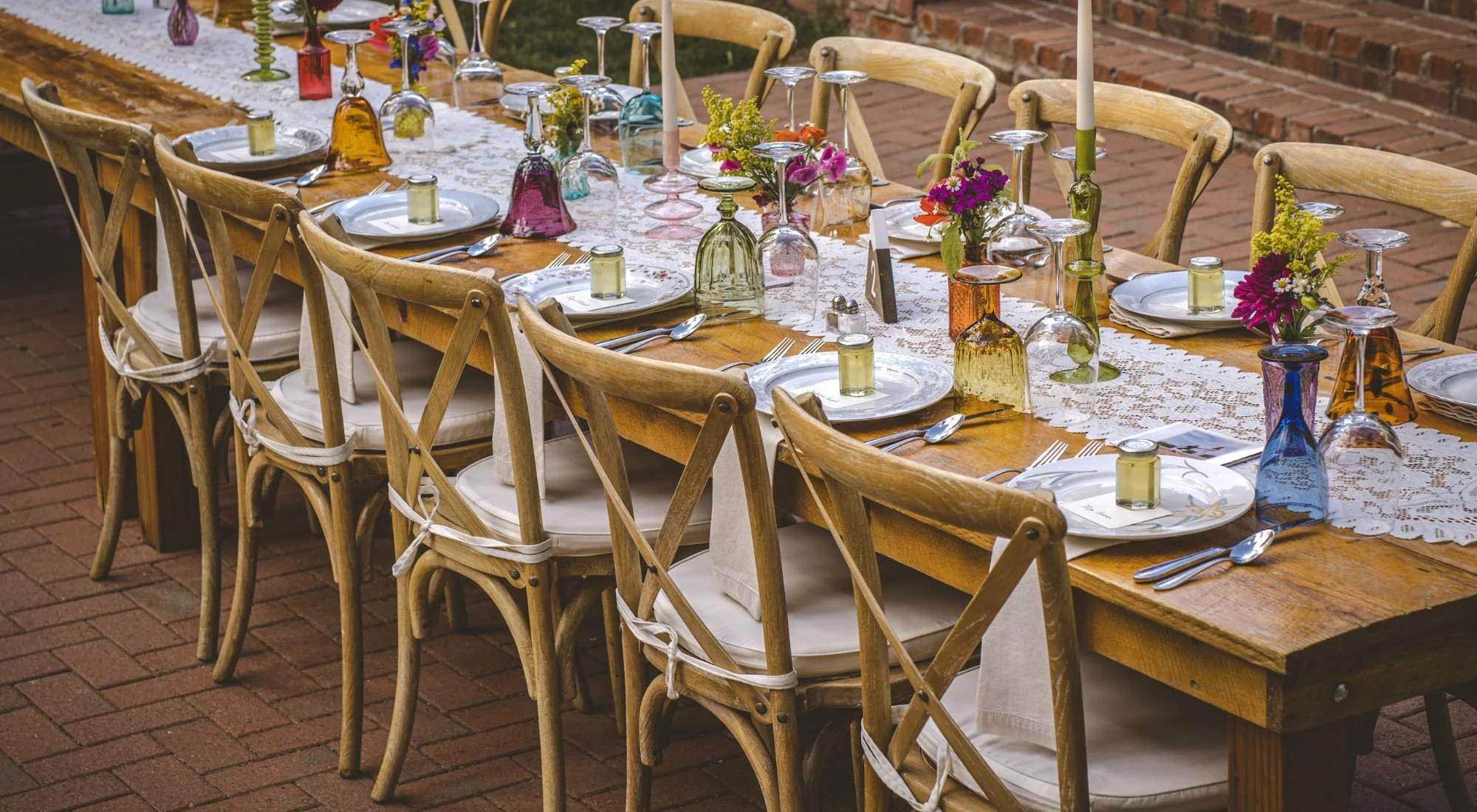
Rentals and equipment like tables, chairs, linens, and serving pieces can add up. While some venues charge separately for each item, others, like Twenty Mile House, have curated onsite options to streamline planning and reduce overall costs:
Essential furniture and linens: Tables, chairs, and covers create both comfort and visual cohesion. Linens, napkins, and table accents enhance the overall aesthetic.
Serving and bar equipment: Plates, glassware, flatware, and serving tools are often included in full-service catering but may be charged separately by some venues.
AV, staging, and specialty items: Microphones, podiums, or buffet risers may be required depending on event format and venue restrictions.
#6: Venue Requirements
Venue policies can have a surprisingly large impact on catering costs, depending on restrictions and included services:
Outside caterer fees: Some venues charge additional fees if you bring in an external catering team. These charges can include insurance requirements, kitchen use, or coordination fees.
Cleanup and service labor: Post-event cleanup, trash removal, and breakdown of tables or buffet stations are often billed separately at certain locations.
Coordination with venue staff: Timing, deliveries, and kitchen access may be regulated, impacting how catering is executed and priced.
All-inclusive wedding venues in California, like Twenty Mile House, offer packages that integrate catering, rentals, and service within the venue, eliminating extra fees and simplifying planning.
#7: Service Level & Staffing
When it comes to staffing, the number of servers, bartenders, and coordinators required grows with guest count and service complexity:
Guest count drives staffing:
Larger weddings require more servers and bartenders to maintain smooth service
Fewer staff can slow service and affect the overall flow of the event
Service style impacts needs:
Plated meals demand more staff than buffet or family-style service due to timing and presentation
Specialty stations or passed hors d’oeuvres require additional attention
Staff expectations influence pricing:
Highly trained or luxury service staff may command higher rates but enhance the guest experience
Attentive service ensures courses are delivered seamlessly, beverages are refilled, and guests feel cared for
#8: Add-Ons & Extras
While extra touches certainly elevate a wedding experience, they also add to the overall catering budget:
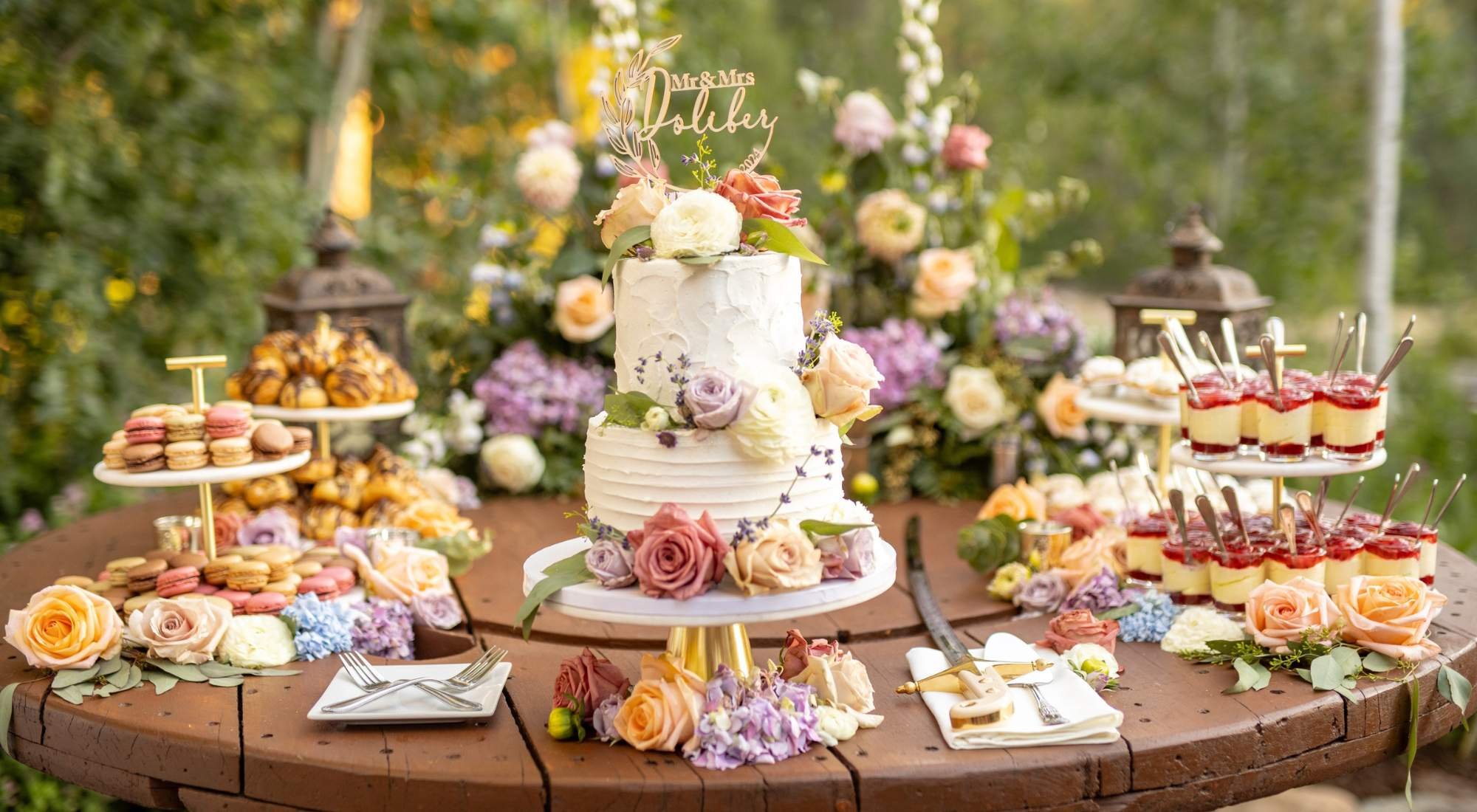
Dessert bars and specialty sweets: Offer variety and visual impact, but each additional station or item increases per-guest cost
Late-night snacks: Perfect for keeping energy up on the dance floor, but come with extra staffing and food expenses
Premium hors d’oeuvres during cocktail hour: Passed or plated options while guests wait for dinner enhance the experience, yet require more preparation and service
Hidden Fees Couples Forget To Budget for
Even well-planned catering budgets can be upended by fees that aren’t always obvious upfront. Being aware of these hidden costs helps couples make informed choices and shows why all-inclusive options can simplify planning and reduce surprises:
Service charges and gratuity: Many caterers add a percentage (often 18–22%) in addition to the base cost for staff and management.
Overtime staffing: Extended event hours can increase labor costs if servers, bartenders, or coordinators work beyond contracted time.
Corkage and cake cutting: Some venues or caterers charge extra if you bring in outside alcohol or a cake.
Taxes and licensing: Local taxes, permits, or alcohol licensing fees can add unexpected expenses if not included in the initial quote.
Plate, glassware, and linen rentals: Couples often budget for chairs, tables, and buffet stations, but forget the costs of plates, flatware, glassware, napkins, and tablecloths.
Travel and delivery fees: Remote or outdoor locations may require additional transportation for food, staff, or equipment.
With all-inclusive packages at Twenty Mile House, couples can avoid many of these stress points. Catering, rentals, service, and setup are bundled, leaving you free to focus on creating a seemingly effortless and unforgettable celebration without worrying about hidden line items.
Smart Ways To Save Without Cutting Flavor
With researched, strategic choices, couples can achieve a luxury celebration while managing costs behind-the-scenes.
Here are some smart ways to save:
Choose seasonal menus:
Selecting dishes that align with seasonal produce reduces ingredient costs and enhances freshness and flavor.
Seasonal menus also allow caterers to source locally, supporting sustainability and quality.
Consider buffet or station-style service:
These options can reduce staffing needs compared with plated meals while still providing variety and style.
They create a relaxed, interactive atmosphere that many guests enjoy and are accustomed to.
Skip extras or opt for mini late-night snacks:
Choosing smaller or selective offerings can still feel indulgent without overextending the budget.
Venues that offer all-inclusive packages allow for a cohesive, high-end event without the stress of combing through individual line items.
Exceptional Catering Designed for Exceptional Celebrations at Twenty Mile House
Wedding planning can quickly feel overwhelming, but with the right venue, suddenly it’s smooth.
At Twenty Mile House, all-inclusive packages bundle food, service, rentals, and setup, giving couples clarity and confidence in their budget. Locally-sourced, seasonal menus and guidance on guest counts and service style make planning predictable, so the focus stays on creating a refined, memorable milestone in the Sierra Nevada.
Contact us today to bring your wedding vision to life.